 RU
RU ME
ME DE
DE
Montenegro Economic Outlook (2026–2027)
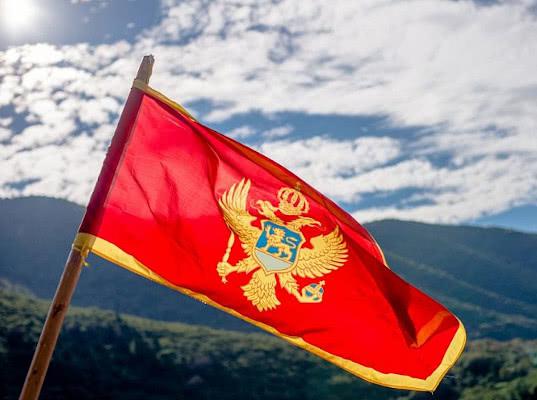
Montenegro Economic Outlook (2026–2027)
Economic Growth (GDP)
According to the latest World Bank report, Montenegro’s GDP is expected to grow by around 3.2% in 2026 and 2027.
The IMF also notes that Montenegro’s economy will “return to potential,” forecasting an average growth of approximately 3.2% in the medium term.
This indicates stable, moderate growth without sharp fluctuations, making the outlook more predictable.
Inflation
According to the World Bank Country Factsheet, inflation has decreased from very high levels in previous years: in 2024 it was already around 3.4%, and forecasts suggest a further decline — to 2.9% in 2025 and 2.3% in 2026.
The IMF notes that inflation may remain around 4% in 2025 but is expected to “cool down” to approximately 2% in the medium term.
This downward trend in inflation is positive for investments, particularly in real estate and long-term projects, as it contributes to more stable macroeconomic conditions.
Fiscal Situation and Public Debt
According to the World Bank, large debt repayments are expected in 2024–2025, after which public debt may decrease: after peaking at approximately 66.1% of GDP in 2024, it is projected to fall to 62.3% of GDP in 2025.
At the same time, the IMF warns of a potential increase in the budget deficit to 3.5–3.7% of GDP in 2025 if additional measures are not taken.
In the longer term (by 2030), the IMF expects debt could again approach around 65% of GDP.
Current Account Balance
The IMF forecasts a significant current account deficit, which could rise to around 18% of GDP in 2025, mainly due to higher electricity imports (temporary shutdown of a thermal power plant) and increased consumption of imported goods.
However, forecasts assume partial improvement after 2026 if electricity exports are restored.
This means Montenegro will continue to rely on external financing (for example, through foreign direct investment and borrowing).
Labor Market and Employment
The World Bank emphasizes that creating quality jobs is a key factor for sustainable growth.
Despite rising wages and credit availability, structural issues remain: low labor force participation among women, youth, and the elderly, as well as shortages of workers in certain sectors.
Demographic challenges: the World Bank warns that by 2050 the working-age population could decline significantly if no measures are taken.
This creates a long-term risk: without reforms in education, skills development, and labor market participation, Montenegro could face labor shortages even with sustained economic growth.
Investments and Structural Reforms
Key growth areas: infrastructure projects, renewable energy, and private consumption. The World Bank notes that investment will remain an important driver of the economy.
Importance of structural reforms: the World Bank recommends enhancing digital transformation, improving public sector efficiency, increasing women’s labor participation, and developing the financial sector.
Montenegro’s participation in European initiatives (for example, the EU Growth Plan for the Western Balkans) could boost investment flows.
Risks and Challenges
Dependence on external financing: high current account deficits and the need for borrowing pose significant risks.
Demographic challenges: population aging and emigration could undermine growth sustainability.
Tourism and energy: if tourism underperforms or energy projects face problems, this could impact revenues.
Fiscal discipline: it is important for the country to maintain budgetary policies — rising deficits or excessive debt could undermine macroeconomic stability.
Global shocks: economic instability in the EU, changes in trade flows, and geopolitical risks could affect Montenegro due to its open and integrated economy.
Investment Outlook:
Real Estate and Tourism: Moderate economic growth, stable inflation, and infrastructure investments create favorable conditions for investments in residential, resort, and hotel properties.
Infrastructure Projects: There is potential in energy, renewable energy, and logistics — especially considering reforms and investment interest.
Financial Sector: Growth in lending, improved financial infrastructure, and the attraction of foreign investors can make the banking and fintech sectors more attractive.
Social Investments: Labor market reforms and workforce upskilling may create business opportunities in education, training, and IT.
In summary: For 2026–2027, Montenegro appears to be a stable market with good prospects, but not without risks. With proper fiscal policy and structural reforms, the country can maintain sustainable growth and attract foreign investment, particularly in real estate and infrastructure.
Main Sources
Western Balkans Regular Economic Report (World Bank)
Country Factsheet — World Bank: Montenegro
IMF — Article IV Mission Statement on Montenegro (2025)
Montenegrobusiness — Analysis of Growth and Risk Forecasts



 Jadranski Put 28, 85310, Budva, Montenegro